How to Choose Tomball Auto Glass Chip Repair
Comprehensive Guide to Glass Repair: Explore Various Types and Solutions
Various types of glass damage can occur, going from minor chips to severe cracks. Each damage type demands particular care and repair techniques. Comprehending these variations is vital for effective maintenance. Many DIY solutions available, yet professional services may be essential in specific circumstances. Considering the importance of timely repairs and preventative measures can further enhance glass longevity. What options exist for both fixing and prevention?
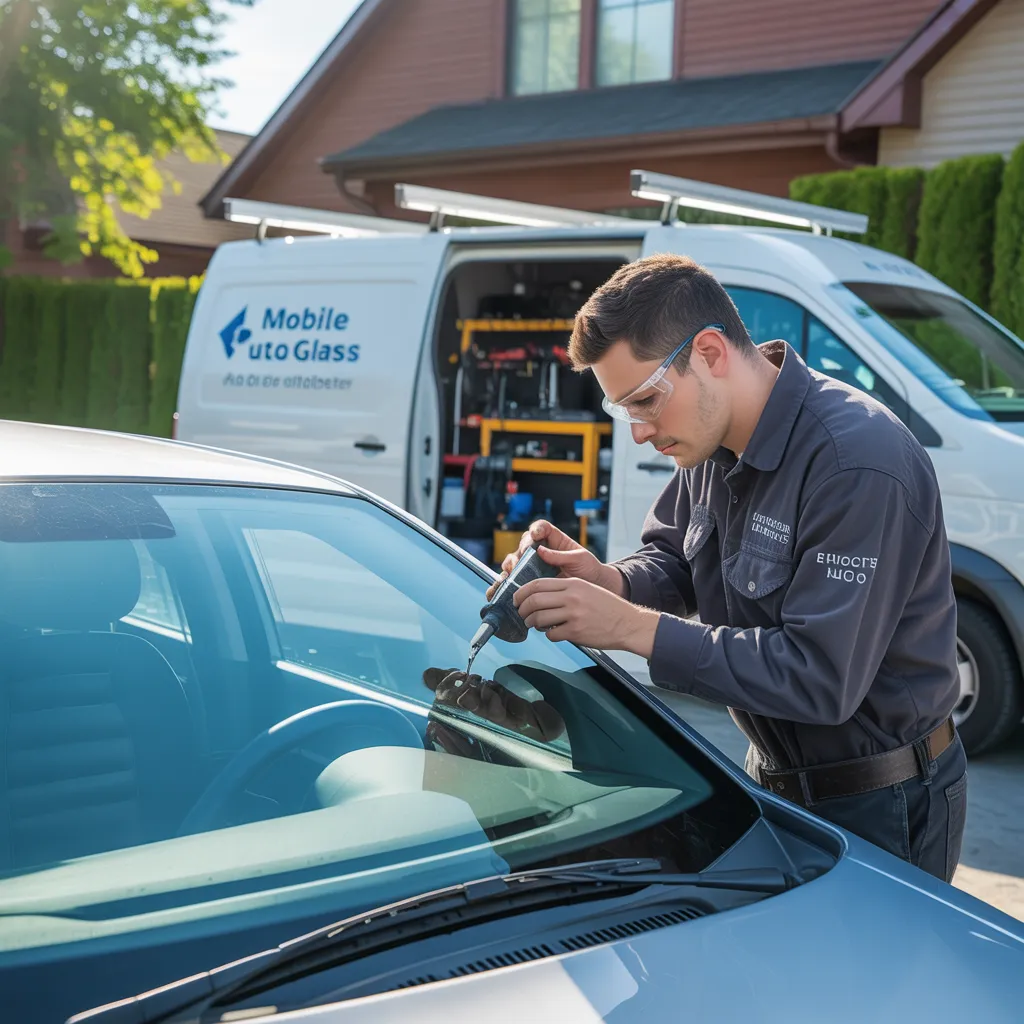
Getting to Know Distinct Kinds of Glass Harm
What approaches work best for accurately determining different types of glass damage? Understanding glass damage involves recognizing distinct categories such as chips, cracks, and scratches. Chips consist of small portions that have detached from the glass surface, frequently caused by impact with hard objects. Meanwhile, cracks vary in their size and length, developing from stress or forceful impacts. They can be categorized additionally into surface cracks, which remain shallow, and deep cracks that threaten the glass's structural stability. Scratches, usually shallow, arise from friction or rough materials. Every damage category needs thorough assessment to establish the severity and possible hazards. Determining the position and seriousness is critical, since certain damages might deteriorate progressively or impact visibility and safety. A complete analysis finally guides the suitable measures for repair or replacement.
Do-It-Yourself Glass Repair Solutions
Assessing the nature and severity of glass damage establishes the foundation for effective repair solutions. For slight chips and cracks in glass, DIY approaches can be both economical and efficient. One popular solution involves using a glass repair kit, which typically includes resin that can fill tiny cracks. This process usually requires preparing the damaged area, applying the resin, and allowing it to cure under UV light.
When dealing with scratched glass, a mixture of baking soda and water can be softly rubbed onto the scratch to diminish its appearance. Another option is that, toothpaste can function as a mild abrasive for small scratches.
For larger cracks, reinforcing tape is able to temporarily stabilize the glass before a more permanent helpful information fix becomes feasible. While DIY solutions are often suitable for minor damage, it is crucial to understand their constraints and think about professional support for substantial damage to secure both safety and structural integrity.
Professional Glass Repair Specialists
When faced with significant glass damage, enlisting professional glass repair services provides a reliable and safe restoration. Qualified experts have the expertise necessary to evaluate the degree of damage accurately and recommend proper solutions. These professionals use standard industry tools and techniques, providing excellent repairs that adhere to safety regulations.
Moreover, professional services frequently offer warranties, providing peace of mind to customers related to the longevity of the repair. They can accommodate different types of glass, including residential windows, automotive glass, and commercial storefronts, providing a wide range of options for customers.
Additionally, specialists can detect hidden issues that are not visible to the inexperienced eye, stopping future problems. Utilizing a professional service not only elevates the aesthetic appeal of the glass but also contributes to the general safety and functionality of the space. Consequently, choosing expert assistance is a sensible choice for thorough glass restoration.
Selecting the Correct Repair Service
Selecting the right repair solution for glass requires meticulous assessment of the damage severity. Determining whether to repair or replace the glass is crucial, as it impacts both cost and safety. Grasping these factors will guide homeowners in making educated decisions for their glass repair needs.
Analyzing Damage Severity
How can someone establish the correct repair solution for glass damage? Assessing damage severity is critical in influencing this decision. As a starting point, the size and type of the damage should be assessed. Small chips and cracks may be repairable, while larger breaks often necessitate replacement. Additionally, one must consider the location of the damage; for instance, cracks near edges can compromise structural integrity in ways that exceed those in the center.
Following this, assessing whether the damage affects visibility is vital, as visual considerations often affect repair selections. Furthermore, the age and value of the glass should be evaluated, as older or specialized glass could benefit from a more cautious repair approach. Proper assessment secures the right solution is selected, balancing cost and safety.
Repair versus Replacement Alternatives
Establishing whether to repair or replace damaged glass depends on several critical factors. First, the extent of the damage plays a pivotal role; minor chips or cracks may be suitable for repair, while extensive breaks often require replacement. Cost considerations also influence the decision, as repairs may be more budget-friendly for minor damage, whereas replacement could be more practical in the long term for severely damaged glass. Additionally, the type of glass is important; some specialty glasses may be difficult or impossible to repair effectively. Finally, safety concerns must be evaluated; compromised glass that poses a risk to structural integrity or personal safety should be replaced. Assessing these factors provides a well-informed decision customized to specific circumstances.
The Importance of Timely Repairs
Quick repairs of glass components are vital in stopping further damage that can escalate into more serious issues. Addressing cracks or breaks promptly helps copyright the structural integrity of the glass, providing safety and functionality. Additionally, acting quickly can provide cost-effective solutions, ultimately saving time and money in the long run.
Preventing More Damage
While several may minimize the impact of a small crack in glass, neglecting timely repairs can lead to considerable complications. A small defect can swiftly escalate, causing more significant damage that may necessitate complete replacement. External conditions, such as temperature fluctuations and moisture, can exacerbate these matters, allowing cracks to spread unpredictably. In addition, delays in addressing glass damage can compromise safety, heightening the risk of shattering and potential injury. Timely repairs not only safeguard the aesthetic and functionality of glass surfaces but also protect homeowners from incurring elevated costs related to more comprehensive repairs. By giving priority to swift action, individuals can efficiently prevent further damage and maintain perfect conditions for their glass installations.
Preserving Framework Soundness
Even a small crack in glass can greatly compromise its structural integrity when left untreated. As time passes, even slight damages can spread due to environmental factors, thermal variations, or physical stress. This degradation not only lessens the strength of the glass but also poses safety risks, potentially leading to shattering or complete failure. Swift repairs are crucial in upholding the glass's original properties, making certain that it continues to work as intended. Regular inspections can help identify vulnerabilities before they progress into serious problems. By resolving issues quickly, property owners can maintain the integrity of their glass installations, thereby securing both the structure and its occupants. Emphasizing maintenance leads to enduring durability and security in glass applications.
Affordable Solutions
Handling glass repairs quickly can result in significant cost savings for property owners. Putting off repairs often exacerbates the damage, leading to more extensive and costly fixes. For instance, a small crack can undermine the entire pane, necessitating complete replacement rather than simple repair. Prompt interventions not only preserve structural integrity but also boost energy efficiency, lowering heating and cooling costs. Additionally, immediate repairs avoid potential safety hazards, minimizing the risk of accidents and liability claims. Homeowners can explore various cost-effective solutions, such as DIY repair kits for minor damages or hiring professionals for more complex issues. Ultimately, emphasizing timely glass repairs is a wise investment that preserves both finances and property value.
Prevention Strategies for Glass Long-Term Performance
To safeguard the longevity of glass, adopting preventative measures is essential, as small actions can significantly reduce the risk of damage. Regular cleaning with suitable solutions helps maintain clarity and prevents the buildup of corrosive substances. Using microfiber cloths in place of abrasive materials can eliminate scratches during cleaning. Furthermore, applying protective coatings or films can protect glass surfaces from UV rays and environmental factors, thus prolonging lifespan.
Proper installation is also vital; verifying that glass is correctly positioned reduces the likelihood of stress fractures. In addition, steering clear of extreme temperature shifts can prevent thermal shock, which can bring about cracking. It is wise to keep glass items in safe locations that reduce the risk of accidental impacts. All in all, these protective steps establish a supportive atmosphere for glass endurance, guaranteeing that it remains both practical and visually appealing for years to come.
Expense Considerations for Glass Repair
Comprehending the financial considerations related to glass repair is crucial for homeowners and businesses alike. Several variables affect the final price, including the type of glass, damage level, and labor costs. Standard window repairs typically range from $100 to $500, while intricate installations, such as storefront glass, can surpass $1,000.
Moreover, specific glass varieties, including tempered or laminated glass, may lead to higher costs due to their manufacturing processes. Labor rates can vary substantially depending on geographic area and the technician's experience, further impacting the final price.
Homeowners should also consider whether their insurance may cover repair fees, as this could reduce financial burdens. Overall, performing a thorough assessment and obtaining multiple quotes from specialists can guarantee informed decisions and likely lower costs for glass repair needs.
Popular Questions
Is Glass Repair Possible Without Special Tools?
Yes, glass can be repaired without special tools using simple materials like tape or adhesive. Nevertheless, these repairs may vary in effectiveness, and professional support is recommended when facing serious damage or concerns about structural integrity.
How Long Does Glass Repair Usually Take?
Glass repair typically takes anywhere from 30 minutes to a few hours, according to the extent and type of damage. Considerations such as drying duration and technician skill level can also determine the total time required.
Will Insurance Policies Cover Glass Repair?
Glass repair typically falls under insurance policy coverage, particularly under automobile or home insurance. Nonetheless, the scope of coverage can vary based on the specific policy terms and the nature of the damage.
What Types of Glass Cannot Be Repaired?
Some forms of glass cannot be repaired, including tempered glass, laminated glass, and glass featuring severe cracks or chips. These conditions typically call for entire replacement to ensure both safety and structural soundness.
How Do I Locate a Reputable Glass Repair Service?
To discover a trustworthy glass repair service, it's advisable to investigate local service providers, read customer testimonials, review assessments, and seek recommendations. Assessing quotes and confirming certifications can also ensure a trustworthy choice for glass repairs.